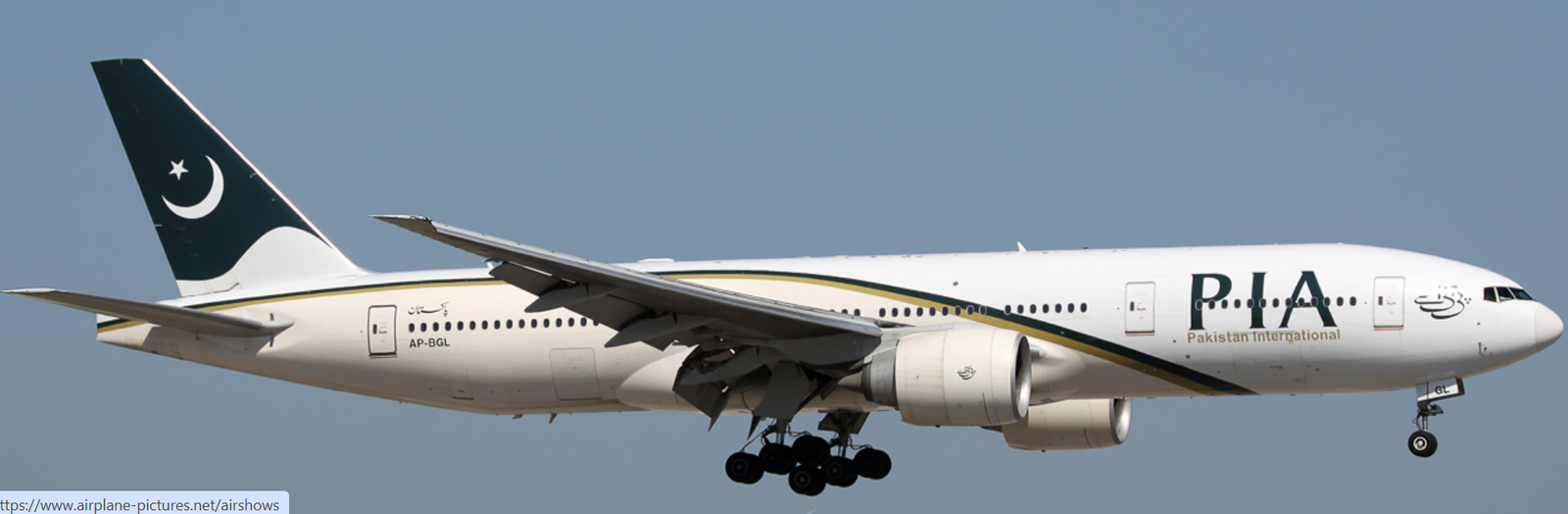
Pakistan International Airlines (PIA) has now been effectively privatized. After decades of plans and delays, the government completed the sale of a 75% controlling stake to a private consortium led by the Arif Habib Group (Arif Habib Corporation) following a competitive bidding process held in December 2025.
Key Facts About the PIA Sale
- A consortium led by the Arif Habib Group won the auction for 75 % of PIA’s shares, submitting the highest bid of Rs 135 billion (~US $482 million).
- The auction marked a breakthrough in the long-delayed privatization of the airline, which had previously remained state-owned despite many proposals
- The process was part of Pakistan’s broader economic reform efforts, including conditions tied to IMF-backed reforms.
- The government will retain a 25 % minority stake, while fresh capital investment is expected to be injected into the airline under the new ownership.
- Implementation is subject to official approvals and conditions, and the new owners are expected to begin running the airline by April 2026, after formal closing and regulatory clearances.
PIA Privatization: Reform Pakistan Can No Longer Delay
Pakistan International Airlines (PIA) is no longer just a struggling airline—it is a symbol of how state-owned enterprises (SOEs) burden Pakistan’s economy. The government’s decision to privatize PIA is controversial, emotional, and politically risky, yet delaying it further may cost the country even more.
For decades, PIA has survived on taxpayer-funded bailouts while delivering declining service quality and mounting losses. In a country facing fiscal stress, inflation, and IMF conditionalities, maintaining such inefficiencies is no longer defensible.
Why PIA Privatization Matters for Pakistan’s Economy
PIA’s losses are not abstract numbers. They translate into diverted public funds, higher borrowing, and reduced development spending. Privatization, if done transparently, offers Pakistan a chance to:
- Reduce fiscal pressure
- Improve service efficiency
- Restore international credibility
This is not about ideology—it is about economic survival.
The Real Challenge: Governance, Not Ownership
Critics argue privatization threatens jobs and national sovereignty. These concerns are valid—but incomplete. PIA’s real enemy has been political interference, overstaffing, and lack of accountability. State ownership without reform has already failed.
Global evidence shows privatization works only when paired with strong regulation. Pakistan must learn from past mistakes where public assets were sold cheaply without institutional safeguards.
Employees Deserve Protection, Not False Promises
PIA’s workforce is right to fear uncertainty. Any privatization framework must include:
- Voluntary separation schemes
- Pension protection
- Skill transition programs
Ignoring labor concerns will not save PIA—it will sabotage reform.
A Test Case for Pakistan’s Reform Credibility
PIA privatization is being watched by the IMF, investors, and regional partners. Success would signal Pakistan’s seriousness about restructuring loss-making SOEs. Failure would confirm fears that reform announcements are cosmetic.
The choice is stark: reform with pain now, or collapse with chaos later.