Pakistan’s Legal Community, Civil Rights, and Democratic Resilience
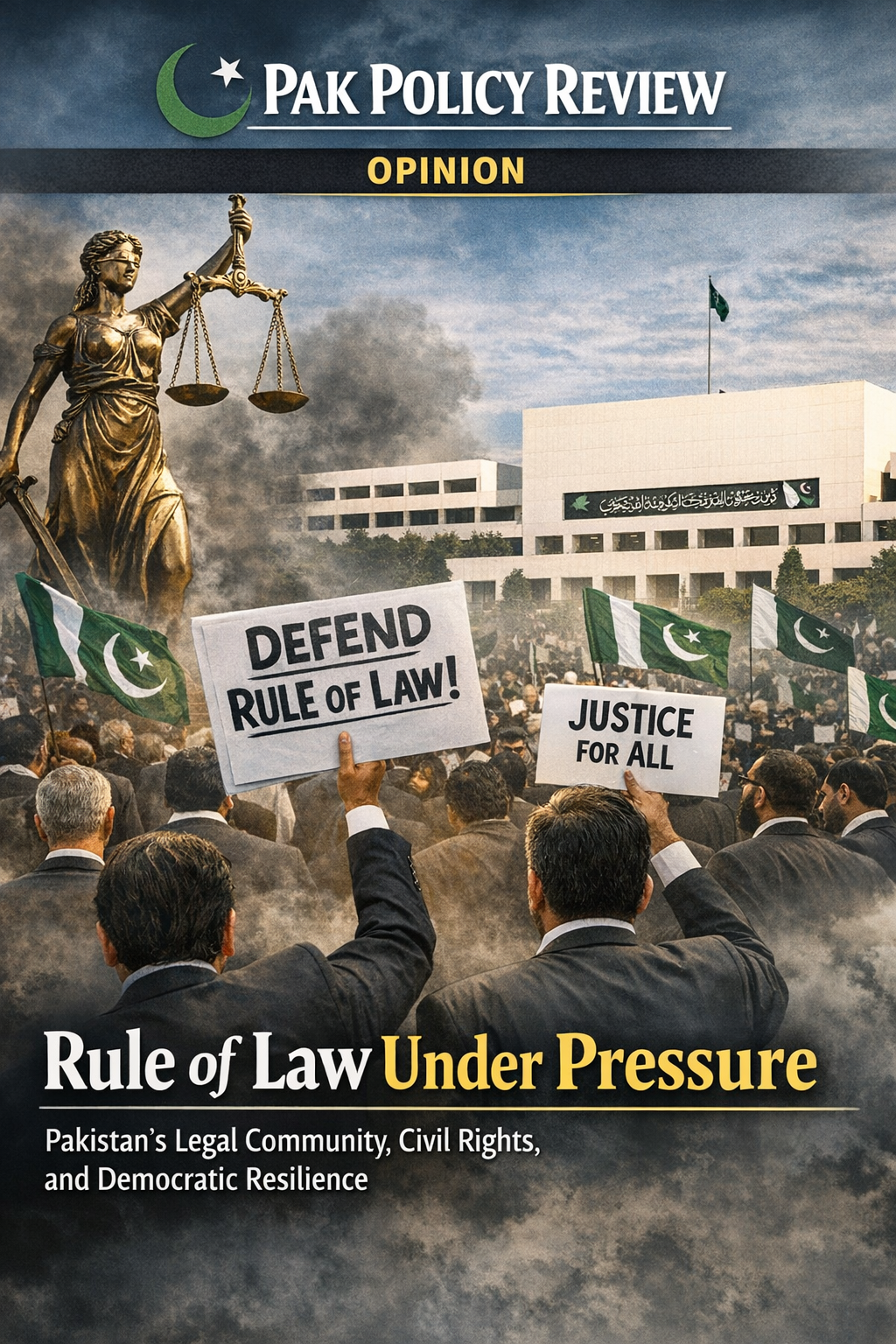
Pakistan stands at a crossroads. Recent events — most notably the arrest of prominent human rights lawyer Imaan Zainab Mazari-Hazir and fellow advocate Hadi Ali Chattha — have sparked nationwide debates about civil liberties, judicial independence, and the role of the state in a democratic society. The incident has galvanized bar associations across the country into strikes and protests, reigniting conversations about the very foundations of Pakistan’s democratic institutions.
The Arrest and Its Wider Significance
On January 23, 2026, police detained two senior lawyers in Islamabad while they were en route to court. Their arrest — widely condemned by legal bodies and human rights advocates as unconstitutional — was directly linked to ongoing protests against Pakistan’s military establishment and perceived limits on freedom of expression.
This is not a story of isolated enforcement action; it is a symptom of deeper friction between state authority and civil society. Lawyers, historically among Pakistan’s most organized and vocal defenders of democracy, view this move as an attack on independent institutions. Their response — nationwide strikes and calls for solidarity — underscores rising tensions over civil liberties and the rule of law.




Why It Matters: The Rule of Law as Pillar of Governance
The strength of a democracy is often measured by its adherence to the rule of law — that no individual or institution stands above the law, and that legal processes are conducted without fear or favour. When lawyers, the very advocates of justice, are themselves subjected to questioning over their legal rights, it raises serious concerns about institutional balance and accountability.
This situation also affects public perception. Citizens observe how the state responds not only to violent crime or terrorism but to peaceful dissent and legal activism. If democratic spaces constrict, trust in the justice system erodes — with long-term implications for social cohesion and political stability.
Civil Society’s Role and Public Debate
Pakistan’s bar councils and civil liberties groups have been vocal in condemning actions they see as authoritarian. By announcing province-wide strikes and potential protests, these institutions are mobilizing public debate around governance, transparency, and civil rights.
This surge in activism reflects broader public interest in rule-of-law issues — a trend also visible in Pakistan’s broader search and media landscape. Citizens increasingly turn to digital platforms and independent analysis for news on governance, civil rights, and political accountability.
Balancing Security, Stability, and Rights
Pakistan’s security environment — shaped by domestic militancy threats, regional tensions, and socio-economic challenges — often places the state under intense pressure. Yet, legitimate concerns over law and order should not eclipse fundamental rights. Democracies thrive not by narrowing the space for dissent, but by expanding avenues for inclusive dialogue and peaceful protest.
A Policy Path Forward
For Pakistan to strengthen democratic governance, some key policy directions should be prioritized:
- Transparent Legal Processes: Ensure all detentions, especially of civil society actors, are justified transparently and subject to judicial review.
- Judicial Independence: Reinforce the autonomy of courts and bar associations as critical checks on executive power.
- Dialogue Platforms: Institutionalize channels for dialogue between civil society, government, and security establishments to reduce polarization.
- Public Legal Awareness: Invest in legal literacy programs so citizens understand their rights and the mechanisms to protect them.
A Defining Moment for Democracy
The current wave of legal community activism is more than a protest; it is a reflection of Pakistan’s struggle to define its democratic identity. How the state responds now — whether with restraint and respect for legal norms, or with restriction and rhetoric — will shape public trust in institutions for years to come.
In a nation with a vibrant youth population and growing digital engagement, the rule of law cannot be an afterthought. It must be the foundation upon which policies are built and rights are defended.