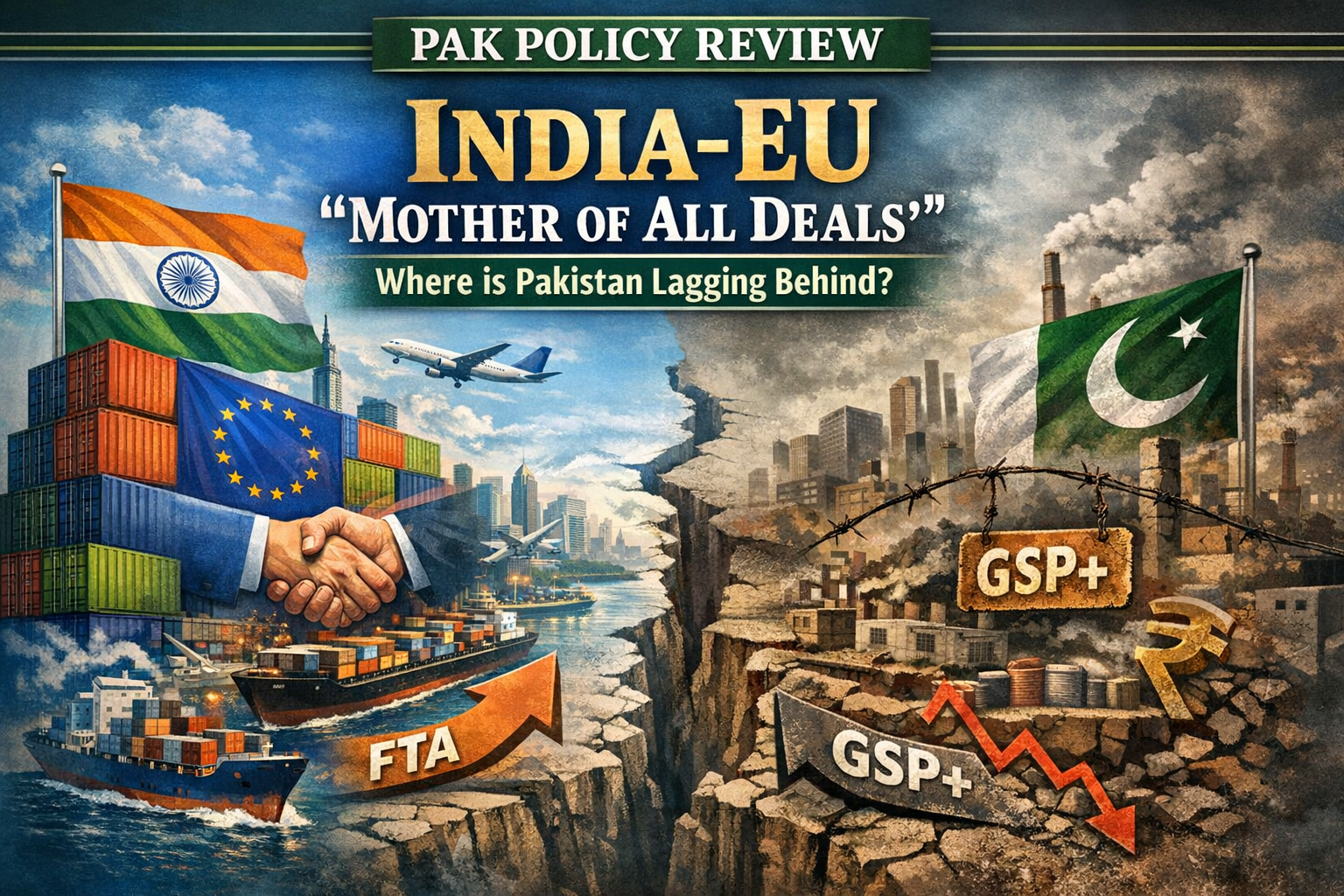
On January 27, 2026, after nearly two decades of negotiation, India and the European Union finalized a landmark Free Trade Agreement (FTA) that has been hailed by Brussels officials as the “mother of all deals”. Together, India and the EU represent roughly one-quarter of global GDP and one-third of world trade, making this pact one of the most consequential economic agreements of the 21st century. (Reuters)
What the Deal Means for India and Europe
Under the agreement:
- Tariffs on approximately 96.6% of EU goods exported to India will be reduced or eliminated, dramatically lowering costs for machinery, cars, pharmaceuticals, wine and more. (Reuters)
- India, reciprocally, will provide preferential access for nearly all its exports into the EU market, including textiles, gems, marine products and chemicals. (The Guardian)
- The pact extends beyond tariffs to include services market access, regulatory cooperation and mechanisms to facilitate investment flows — a crucial expansion over traditional trade deals. (The Times of India)
- The agreement is also strategically significant, sending a message about emerging multipolarity in the global economic order. (Financial Times)
Seen through New Delhi’s lens, the deal closes a long-standing gap in its global economic network — bridging India directly with the world’s richest trading bloc and diversifying its partners beyond the U.S., East Asia and Middle Eastern markets.
Why This Is Called “Mother of All Deals”
Indian officials and EU negotiators alike emphasize scale and depth. The pact:
- Connects 2 billion consumers across the EU and India. (Reuters)
- Promises to double EU exports to India by 2032. (Reuters)
- Opens up services and investment channels, not just goods, signalling a shift toward broader economic integration. (The Times of India)
- Sets a template for future deals in a world where comprehensive economic agreements are increasingly hard to negotiate.
These features — combined with near-zero tariffs on most products — explain why it is being framed as the most ambitious trade pact New Delhi has ever signed. (Reuters)
Where Pakistan Stands: Between GSP+ and Strategic Marginalization
While India secures preferential, reciprocal access to the EU’s vast market through a modern FTA, Pakistan’s engagement with the EU continues to revolve around preferences, not partnership parity.
Existing Base: GSP+ Status
Pakistan currently benefits from the EU’s Generalised Scheme of Preferences Plus (GSP+), making it the largest beneficiary among GSP+ countries. This lets more than 85% of Pakistan’s exports, particularly textiles and apparel, enter the EU duty-free. (Trade and Economic Security)
The arrangement has driven exports — total Pakistan-EU trade hit about €12 billion in 2024, with the EU as Pakistan’s second-largest trading partner. (Trade and Economic Security)
However, this preferential access is unilateral. Unlike an FTA, it:
- Can be reviewed or revoked if Pakistan fails to meet compliance benchmarks on labour, human rights and environmental standards tied to the GSP+ conditions. (Trade and Economic Security)
- Does not embed Pakistan in structures for shared regulatory or investment-flow mechanisms with the EU. (International Partnerships)
- Leaves Pakistan vulnerable to shifts in EU trade policy — including the EU’s new carbon border adjustment mechanism (CBAM), which could raise costs on Pakistan’s export industries unless compliance and value-chain upgrades are implemented. (Nukta)
GSP+ Limitations vs. FTA Gains
Pakistan’s GSP+ status has been valuable, but it is inherently status-based, conditional and non-reciprocal. In contrast, India’s FTA:
- Guarantees reciprocal market access, lowering barriers on both sides. (Reuters)
- Includes services, investment and regulatory cooperation, deepening economic ties far beyond tariff cuts. (The Times of India)
- Signals strategic alignment that can attract long-term EU investment and joint innovation partnerships — something Pakistan has yet to institutionalize with Brussels. (International Partnerships)
Strategic and Governance Gaps
Pakistan’s relationship with the EU — while constructive — lacks the high-level, comprehensive architecture now embodied in the India-EU deal. Challenges include:
- Governance and compliance pressures tied to GSP+ requirements meaning continued scrutiny from Brussels. (Trade and Economic Security)
- A trade basket heavily concentrated in textiles, limiting diversification and value-added exports. (Nukta)
- The absence of deeper economic integration mechanisms — such as investment protection, regulatory alignment, and mobility frameworks — that could turn Pakistan into a strategic partner rather than a preference recipient. (International Partnerships)
Policy Imperatives for Pakistan
To avoid being overshadowed in the regional economic landscape, Islamabad must urgently rethink its EU engagement strategy:
- Pursue a Comprehensive Trade and Investment Framework
Move beyond unilateral preference schemes toward negotiated trade agreements that encompass services, investment protection and regulatory cooperation. - Diversify Export Base
Invest in value-added sectors like pharmaceuticals, IT services and green technology exports that align with EU market priorities. - Strengthen GSP+ Compliance
Ensure systematic implementation of human-rights, labour and environmental standards to preserve and potentially expand preferential access. - Engage on Climate and Regulatory Fronts
Anticipate EU policies like CBAM by upgrading production standards, green competencies and compliance mechanisms.
Between Preference and Partnership
The India-EU “mother of all deals” is more than a trade agreement — it is a strategic economic alignment redefining Asia-Europe relations for decades to come. While India moves toward reciprocal, strategic integration with Europe, Pakistan’s trade relations remain rooted in preference-based access.
For Pakistan, the choice is stark: continue with the status quo or adapt swiftly, engaging both Europe and the wider global economy on terms that go beyond unilateral benefits. As global commerce evolves, the margin for economic complacency shrinks — and the costs of lagging strategy grow.

- 13 Gallon Tall Kitchen Garbage Bags-This package contains 80 Hefty Ultra Strong 13 Gallon Kitchen Trash Bags in White, L…
- Toughness You Can Trust-Hefty’s strongest tall kitchen garbage bags deliver toughness you can trust with a secure, break…
- Arm and Hammer Odor Control-Patented odor control, paired with the scent of Lavender and Sweet Vanilla, leverages the po…