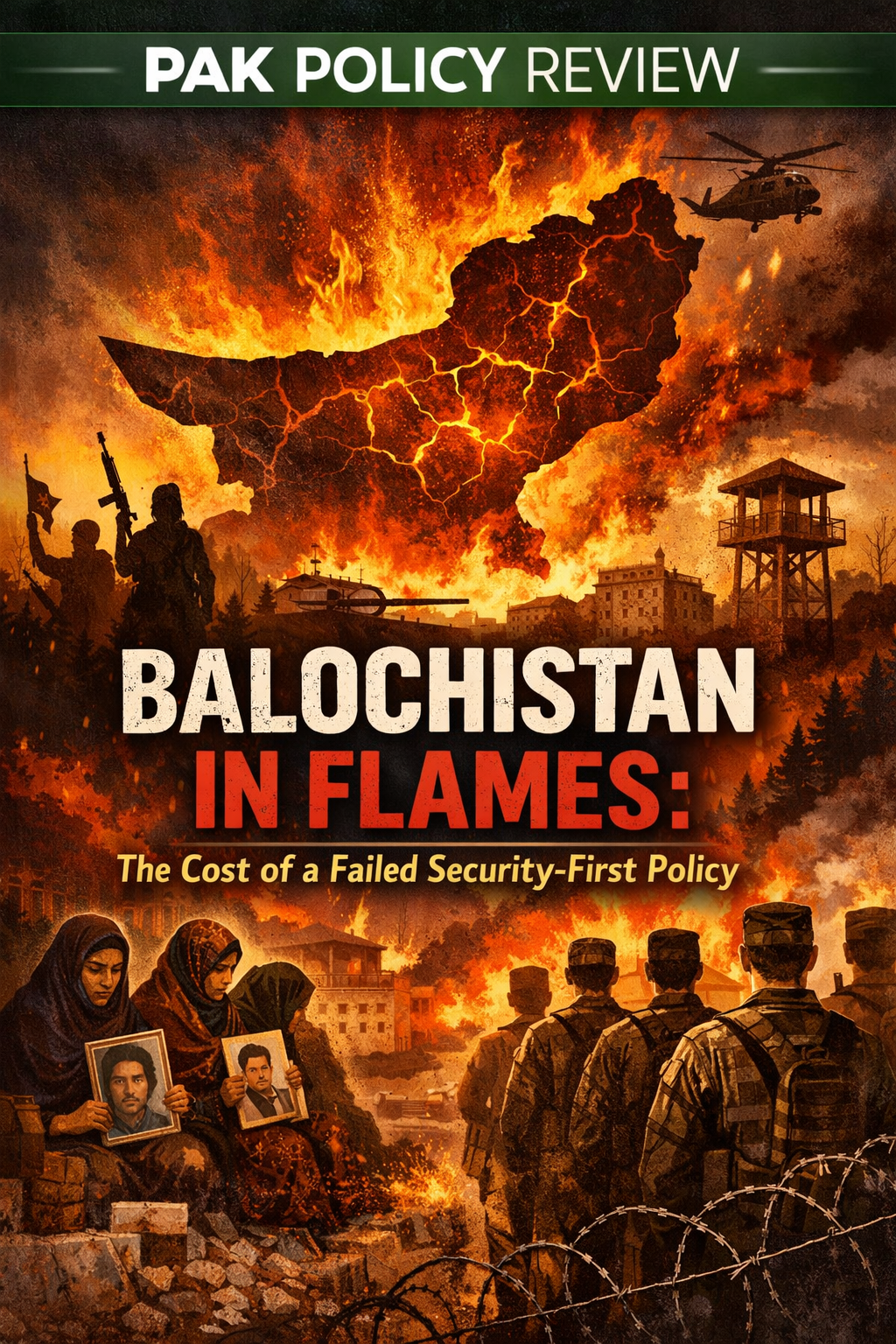
Balochistan is once again on fire. Despite being governed almost exclusively in the name of “security” and consuming billions of rupees annually from the national exchequer, armed groups have managed to carry out coordinated and deadly attacks across dozens of cities, including Quetta. This moment is not merely a security lapse; it is a damning indictment of Pakistan’s governance model and its long-standing Balochistan policy.
For decades, the province has been viewed almost entirely through a militarised lens. Political processes were systematically weakened, and popular leaders were sidelined to make room for artificial and imposed leadership. The recent elevation of Sarfraz Bugti is only the latest example of this trend. Whether the issue was mineral resources or law and order, genuine political stakeholders were rarely taken into confidence. Leaders such as Akhtar Mengal, Hasil Bizenjo, and Dr Abdul Malik Baloch were gradually pushed to the margins, while military operations and the policy of enforced disappearances became defining features of state engagement with the province.
Related Reading:
→ 12 Coordinated Attacks Rock Balochistan: Death Toll Rising
When voices of dissent emerged—from Mama Qadeer to Dr Mahrang Baloch—they were branded as traitors rather than citizens demanding constitutional rights. Today, the consequences are stark: mainstream political leadership has been rendered ineffective, while popular grassroots figures remain behind bars. The critical question now is unavoidable—who will take responsibility for this failure? Can there be accountability for security breakdowns? Can anyone question why, despite spending billions of public funds, the situation continues to deteriorate? And can the real architects of policy ever be held accountable?
Balochistan today offers little space for politics or journalism. Media representatives operate under severe constraints, and even the bureaucracy—meant to manage civilian administration—functions largely on directives from Rawalpindi rather than Quetta. Unsurprisingly, the province lags behind the rest of Pakistan in nearly every poverty and human development indicator. Under such conditions, expecting peace is not only unrealistic; it is disingenuous.
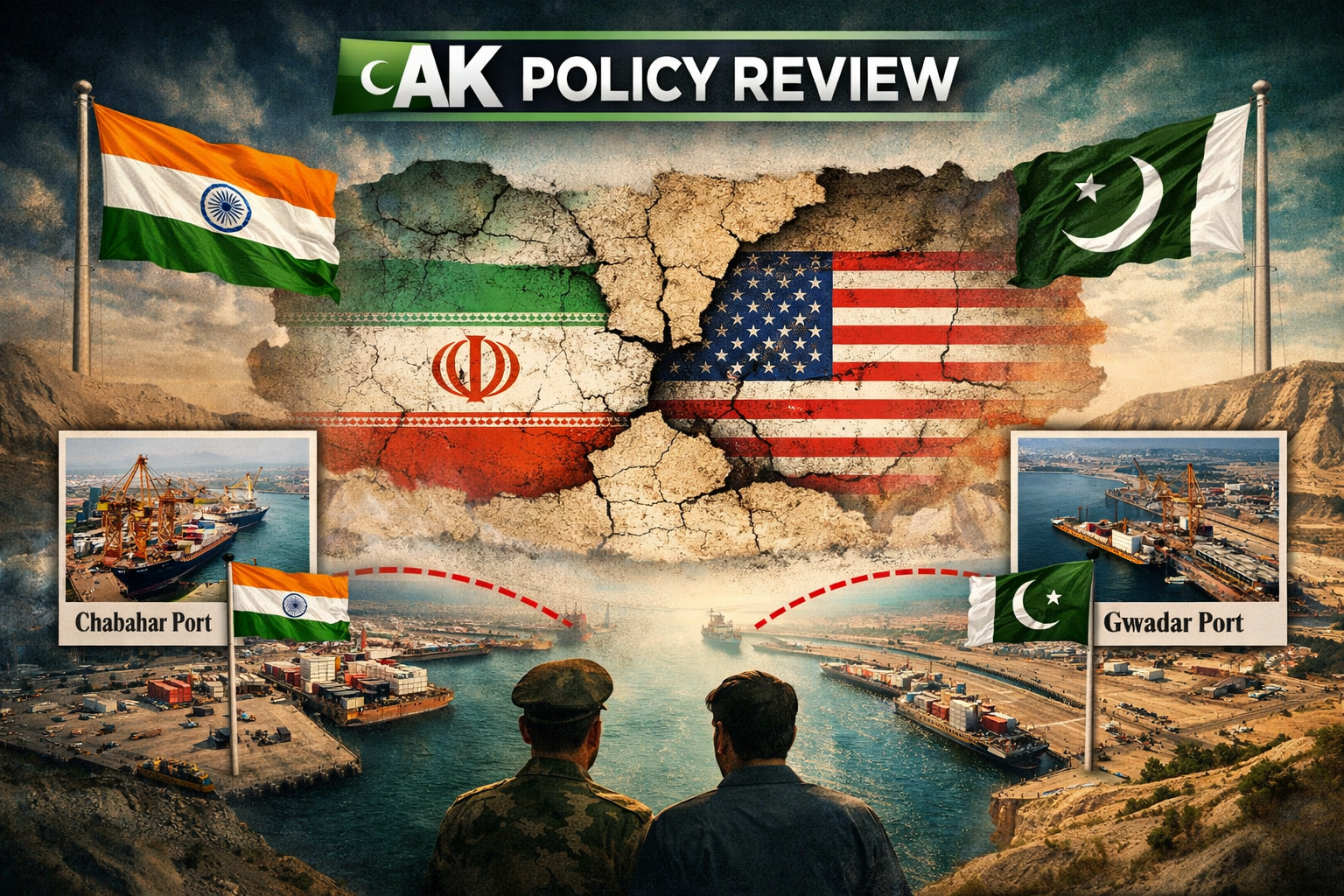
The current crisis also intersects with broader regional dynamics. Rising tensions between Iran and the United States have created an environment in which various actors seek to exploit instability, pushing the region toward ethnic and sectarian violence. If Pakistan wishes to avert a deeper internal conflict, it must abandon the security-only approach and adopt a political pathway rooted in the aspirations of Balochistan’s people.
For years, there has been a clear and consistent demand: the establishment of a Truth and Reconciliation Commission to address the damage caused by military operations, enforced disappearances, and systemic exclusion. Policy-making must be returned to elected representatives, not security managers. Public trust is the most effective shield against terrorism and external interference. Without it, the state itself risks being perceived as a symbol of fear and incompetence.
If alienation continues, it will inevitably manifest in deeper resentment and violent ethnic polarisation. Pakistan does not have the luxury of time. Policies must change—urgently—before the fire in Balochistan consumes far more than a single province.