Balochistan, Pakistan's mineral-rich province, periodically captures national and international headlines, but consistently for all the wrong reasons.The province is embroiled in a low scale scathing insurgency for the past 20 years and government claims a full control over the affairs of the province with a handpicked legislative assembly headed by a shrewd chief minister.
But youth in the province seems to be growing disaffected with the state of affairs and many have taken extreme paths of suicidal attacks, the recent one comes in Nokundi, the home to billion-dollar copper and gold Reko Diq mining project, a flagship foreign investment, much touted as a big achievement by both provincial and federal government.
In Balochistan, when the political scenario is dissected for general understanding, any keen observer of history and that of the current events finds a war of narratives being at play so mercilessly to either win or pollute public opinion at home and abroad. And this is perhaps happening since the inception of Pakistan with gradual change of tactics and intensity. However, the war of narratives has morphed into a premium stage, camouflaging the layers of reality, distorting facts, fabricating events and promoting assumption as reality to such an extent that it becomes almost next to impossible for a layman to get hold of the truth buried under the debris of layers of falsehood so deep.
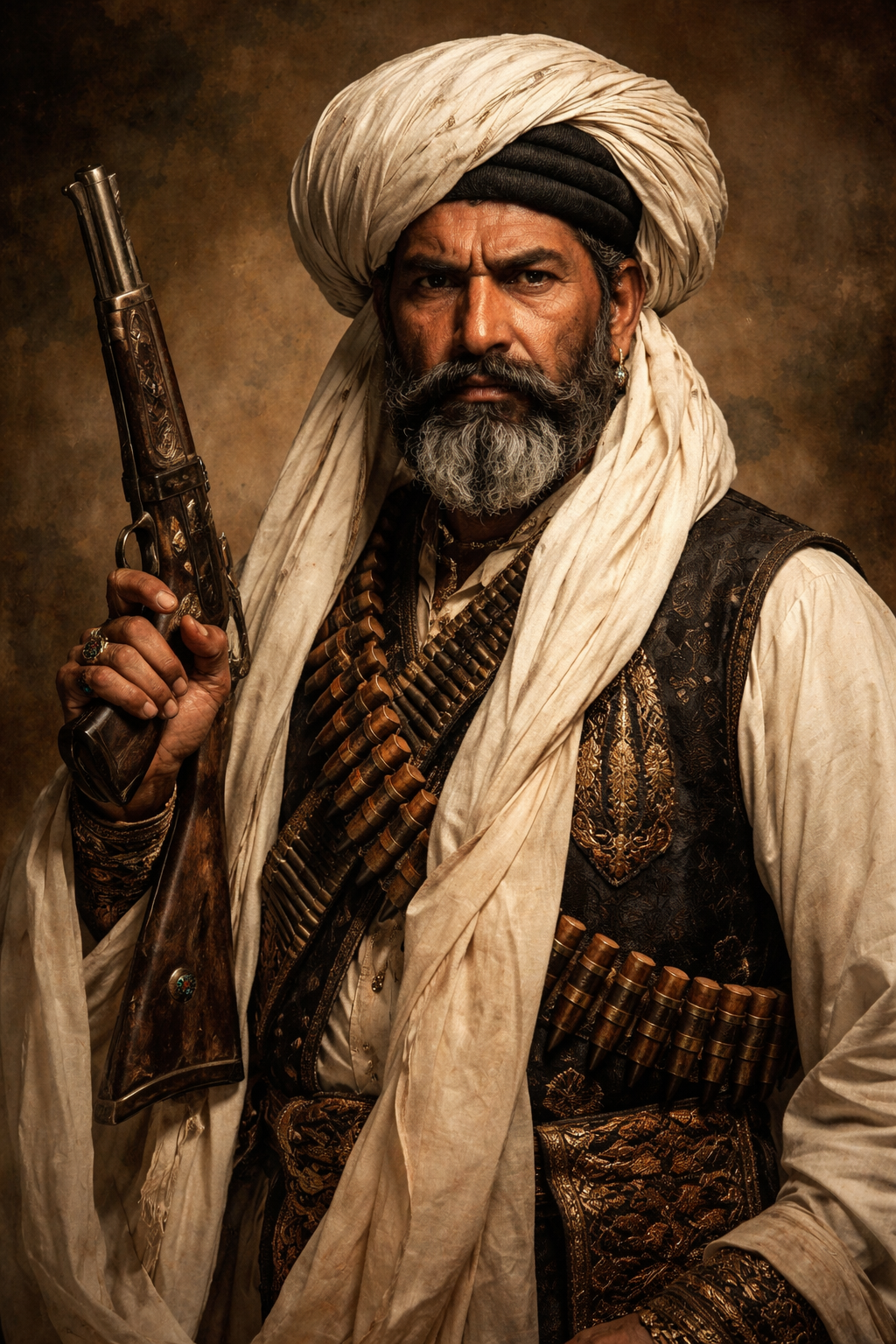
One of the all times favourit narratives that has been at play since the inception of the country is the romance with the character of Sardar, the tribal head, presenting him as so strong in the province that even state seems to be failing to emancipate the common man from his monstrous clutches and hence the underdevelopment, poverty, illiteracy, in short, all the ills persist because the Sardar or the Sardari system persists.
One of the all times favourit narratives that has been at play since the inception of the country is the romance with the character of Sardar, the tribal head, presenting him as so strong in the province that even state seems to be failing to emancipate the common man from his monstrous clutches and hence the underdevelopment, poverty, illiteracy, in short, all the ills persist because the Sardar or the Sardari system persists.
But on a closer look, one comes face to face with the reality that Sardar is a blessing in the guise for the parasites that live on the bloodstream of Balochistan. The exploration of gas and minerals from Balochistan is taking place since 1950s and no Sardar is powerful enough to discontinue the exploration but when it comes to the development, giving Balochistan modern universities, access to clean drinking water, right to life, property and dignity to its people, the Sardar, all of a sudden, becomes so powerful. If so bad is the character then why sitting Chief Minister himself adorns the attire of a Sardar?
Of late, the sitting Chief Minister Balochistan Mir Sarfaraz Bugti, crowned himself as a tribal chief, sending a signal to the moderate and progressive minds that the monster of Sardar will never stop giving nightmares to the Balochistan.
Deep down in all this saga, one finds a policy of convenience, emanating from a political will of the bourgeoisie. This political will basically defines the political economy of the province and the entire edifice of narratives and counter narratives hangs on it. To dominate the political economy, the forces that define the political landscape here engineer a political will that runs supreme and everyone has to bow down before it. It is just like the general will of Rosseau and anyone who dares to disagree with it, deserves the hardest punishment. The issue of missing persons, the emergence and subsequent suppression of BYC and incarceration of is leadership, the engineering of elections and maintaining a highly corrupt cohort of political leadership, and the dead slow, irresponsive, colonial to the core and arrogant bureaucracy that dominates the governmental machinery are all offshoots of this political will that strives to win the fruits of political economy for its drivers.
Now the options left with the youth: brimming with potential, energy and will to change, are but few. First, they should undergo a flawed system of screening, called the competitive examinations; to become part of the aforementioned bureaucratic system. Second, they should leave the province or the country for good to find some job at some middle eastern countries or in very rare cases at European or American continent. Case in point are some Baloch journalists who played Baloch card to take their exit from the province for good. Third, to languish in poverty; see his near and dear ones die before him of diseases, of hunger, of ignorance, of wars, of tribal conflicts, of unexpected violence, of blasts and of anything you name under the earth that is potential enough of taking human life and dignity. Fourth, to resort to joining the armed groups for a struggle that promises no heavens but at least vent the frustration, even if it costs them their lives.
The readers might be thinking of a way forward. Wel for a way forward, the chances are too minimal because of the fact that South Asia is a theater of great games of the lustful empires since ages. Their lust for more power, more resources and more control is growing to an extent of unsatiety. Therefore, their regional facilitators would continue to share the booties of the region for their own survival and hence the poor will continue to languish in misery in the province. Nobody should ever hope for free and fair elections, democracy, justice and fair play in this region. It will continue to seethe in the flames of conflicting interests. Wise are those who choose to relocate to some safer places for peace will remain a dream for at least an hundred years in Balochistan.